

Products
Ferrous Scrap Trading and Indenting
HMS 1&2, shredded, plate and structural, busheling and cast iron traded in containerised and bulk shipments across international markets.
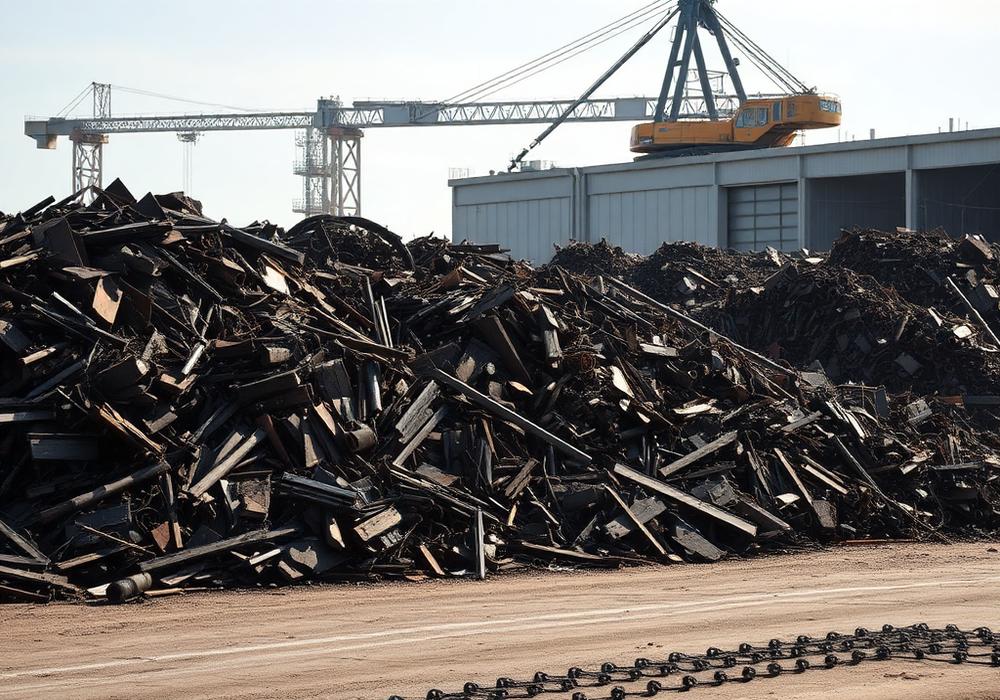
About ferrous scrap
Ferrous scrap moves in larger volumes and at lower unit values than non-ferrous material, which makes freight, payload and documentation efficiency central to whether a transaction works commercially.
AceComex reviews ferrous enquiries with attention to grade definition, dimensional requirements, density, permitted attachments and the destination's import standards, which differ considerably between markets.
Common material categories
- HMS 1&2 in stated ratios, commonly 80:20 or 70:30
- Shredded scrap with defined density and free-of requirements
- Plate and structural scrap within stated dimensions
- Busheling and new production offcuts
- Cast iron, including machinery and motor blocks as specified
- Rebar, turnings and mixed ferrous where specified
What buyers evaluate
- Grade definition and stated HMS ratio
- Maximum piece dimensions and thickness requirements
- Density and how the material will load
- Rust scale, dirt, soil and general contamination
- Non-ferrous attachments, wiring and motors
- Absence of sealed containers, closed vessels and hazardous items
- Radiation screening requirements at origin and destination
Supplier submission requirements
- Grade and ratio, with dimensional description
- Photographs showing typical piece size and overall stockpile
- Disclosure of attachments and non-ferrous content
- Available quantity per shipment and monthly volume
- Yard location, origin country and nearest loading port
- Loading method and expected payload per container
- Any radiation or contamination screening already performed
Buyer requirement information
- Required grade, ratio and dimensional limits
- Quantity per shipment and monthly requirement
- Destination country, destination port and shipment period
- Preferred origin and acceptable origins
- Preferred Incoterm and pricing basis
- Inspection, weight verification and documentation requirements
Transaction models
Premium indenting
Structured presentation between a supplier and a consuming buyer, with AceComex coordinating specification and follow-through.
Direct international trading
A firm commercial structure where terms, inspection and payment are agreed in writing before shipment.
Yard-to-yard supply
Regular, predictable despatches between a processing yard and a consuming facility.
Quality considerations
Dimensional compliance
Oversized pieces are a frequent cause of rejection at consuming mills with charge-size limits.
Density and payload
Low-density loads waste freight; excessively dense loads can exceed container limits.
Hidden attachments
Motors, wiring and non-ferrous components within ferrous loads create deduction disputes.
Sealed items
Closed vessels and pressurised containers are a serious safety issue and must be excluded.
Radiation screening
Many destinations require radiation declarations; screening should be planned at origin.
Weight reconciliation
Weighbridge records and container weights should be documented at loading.
FAQs
Frequently asked questions
- Which HMS ratio is most commonly traded?
- 80:20 and 70:30 are the most frequently referenced ratios, though the applicable ratio and dimensional requirement depend entirely on the buyer's specification.
- Is bulk shipment possible?
- Bulk shipments are discussed where quantity, port facilities and commercial structure make them practical. Many enquiries are containerised.
- Are motor blocks accepted?
- This depends on the buyer's specification and destination requirements. They should always be declared separately.
Buying or offering ferrous scrap?
Submit a product requirement or offer available material for commercial review.
Submission does not create a contract, supply commitment or obligation for AceComex.
Information on this website is provided for general commercial purposes. Product availability, specifications, transaction structure, inspection, payment, shipment and acceptance remain subject to review and written agreement between the relevant parties.